Slow Travel in Small Towns With a Little Local Language
- February 26, 2025· Article by David Brown
- Travel , italian translation company
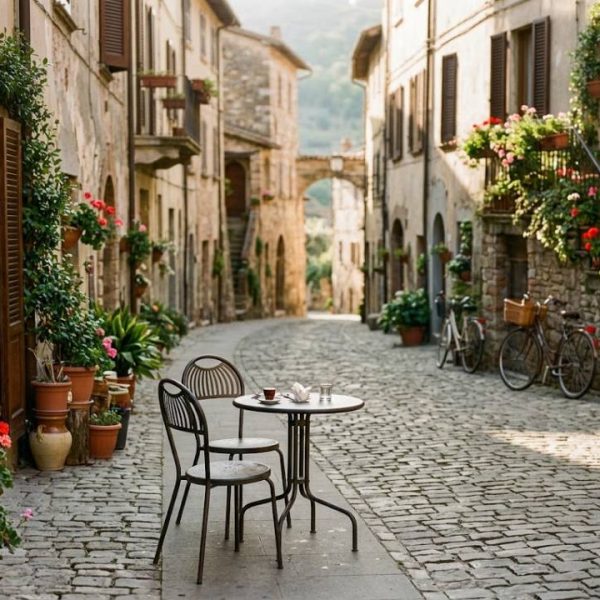
Some trips are about ticking off sights. Others are about sitting in a square for an hour, watching a town go about its day. Slow travel belongs to the second kind.
It rewards curiosity, patience and a willingness to talk to people. And talking is much easier with a few words of the local language.
What Slow Travel Really Means
Slow travel favours fewer places and more time. Instead of a new hotel every night, you stay a week and learn which bakery opens first.
The movement is closely linked to the idea of slow cities, small towns that protect local food, crafts and quiet streets. The network Cittaslow International brings such towns together around shared principles.
Time is the real luxury of slow travel, and language helps you use it well.
Why Local Words Open Doors
In a small town, the person who runs the cafe may also own the building, grow the olives and sing in the choir. A greeting in their language starts a conversation that a guidebook cannot give you.
You do not need fluent grammar. Hello, please, thank you and a smile show respect and often earn a warm reply.
Learn Before You Go
Spend a few weeks before departure on basic phrases. Focus on food, directions, greetings and polite requests.
Listen to local radio online, watch a film with subtitles and write the words you hear in a notebook. By the time you arrive, the sounds will feel familiar.
Italy as a Slow Travel Favourite
Italy is the birthplace of the slow city idea, and its small towns attract visitors who love food, history and conversation. Menus, market labels and notices are often only in Italian.
Travellers who rent homes, join cooking classes or attend local events sometimes need paperwork or guides translated. An experienced italian translation company can prepare clear versions of contracts, itineraries and written guides.
It is also a smart idea to understand local manners, since they shape every interaction.
Customs Matter as Much as Words
Language and culture travel together. Meal times, greetings and gestures vary widely between towns, even in the same country.
Reading about cultural nuances in translation helps you see why a literal word can be right and still sound wrong. A joke, a compliment or a request may carry a different weight than you expect.
Eat and Shop Like a Local
Skip the tourist menu and ask what the cook recommends. Visit the weekly market, buy a few things and ask how locals prepare them.
Most sellers love to share recipes. Writing them down in the local language, even imperfectly, makes a lovely souvenir.
Stay Longer, Spend Wisely
Staying longer in one place helps small businesses and reduces the strain on crowded destinations. Choose family run guesthouses, local guides and craftspeople.
Slow travel of the kind described above rewards visitors who make an effort with the language, but it depends on the town meeting them halfway. Signage, opening hours and printed guides are where that welcome is either extended or quietly withheld. Small destinations that commission real hospitality translation rather than relying on a volunteer with a phone tend to keep visitors for an extra day, which is the whole economic argument.
Pay fairly and ask before you take photographs of people or their work. Courtesy builds trust that lasts beyond one visit.
Take Notes and Share Stories
Keep a travel journal with new words, names and small discoveries. It becomes a record of the places that moved you most.
When you share stories online, mention the people who helped you, and use local names correctly. Accurate spelling is a simple sign of respect.
A Gentle Itinerary for a Slow Week
A slow week does not mean doing nothing. It means choosing a few experiences and giving each one room to breathe.
Spend the first morning walking the streets without a map, then sit in the main square and watch daily life. On the second day, visit the market and cook a simple meal from what you buy. Use the third day for a short trip to a nearby village, travelling by regional train or bus.
Leave one afternoon free for surprises, such as a festival, a family invitation or an unexpected conversation with a neighbour. Those moments tend to become the favourite memories of the journey.
Packing for Slow Travel
Travel light, because you will walk more than you expect. Bring comfortable shoes, a reusable bottle, a small notebook and a phrasebook or offline dictionary.
A simple pouch for coins is handy at markets and small cafes. Add a printed copy of your accommodation address in the local language, which helps if your phone battery runs out.
Leaving a Place Better Than You Found It
Slow travellers have a chance to give back. Buy from local makers, follow waste rules carefully and choose experiences that benefit the community rather than a distant company.
Before you leave, write a thoughtful review in the local language if you can, or ask a friend to help. Hosts value kind words, and honest feedback helps future visitors choose well.
Final Thoughts
Slow travel is about connection. With a handful of phrases, an open mind and time to listen, small towns reveal their best stories.
Pack light, learn a few words and let the days unfold at the speed of a long lunch.